


Decorating Secrets Revealed: What Experts Don’t Want You to Know About Painting Period Homes in Gloucestershire
- Lewis Mitten
- Mar 19
- 5 min read
If you live in a Regency townhouse in Cheltenham or a charming Cotswold stone cottage in the heart of Gloucestershire, you know that owning a period home is a bit of a love affair. It’s all about the history, the character, and: let’s be honest: the never-ending list of DIY projects.
Is this your current project? Perhaps you’re looking at a room with high ceilings and original cornicing, wondering how on earth to refresh it without ruining that historic charm. Or maybe you’re worried that modern paint will trap moisture in your old walls.
At Mitten's Decorating, we’ve spent years working on these unique properties. I’m Lewis Mitten, and I’m going to let you in on some "secrets" that professional painters and decorators in Cheltenham often keep to themselves. It’s not that they’re being sneaky; it’s just that period homes require a completely different rulebook than a modern new-build in Brockworth.
Let’s dive into how you can get that high-end look while keeping your home’s history intact.
Secret 1: Your Walls Need to Breathe (Literally)
One of the biggest mistakes people make when painting older Gloucestershire homes is using the wrong type of paint. Most modern "plastic" paints (standard vinyl matt or silk) create a seal over the surface.
In a modern house, that’s fine. But in a period property built with lime mortar and solid stone, your walls need to breathe. If you trap moisture behind a layer of modern paint, you’re looking at future damp issues and peeling flakes.
How to fix it in just a few easy steps:
Check if your home was built before 1919 (most Cheltenham period homes were!).
Look for "breathable" paints like clay-based or lime-wash finishes.
Avoid cheap, high-street gloss for your interior masonry.
Using the right materials ensures your home stays healthy for another century. If you're feeling a bit overwhelmed by the choice, you might find our simple guide to paint finishes helpful.
Secret 2: Preparation is 80% of the Magic
When you see a stunningly decorated room in a magazine, the "secret" isn't the expensive paint brand. It’s the hours of sanding, filling, and priming that happened before the first tin was even opened.
In older homes, surfaces are rarely flat. You’ve got decades: sometimes centuries: of old paint layers, settling cracks, and uneven plaster.
Is this your skirting board? If it’s covered in thick, gloopy layers of old gloss, a new coat of paint will only make it look worse.
The pro approach:
Clean every surface with sugar soap to remove years of dust and grease.
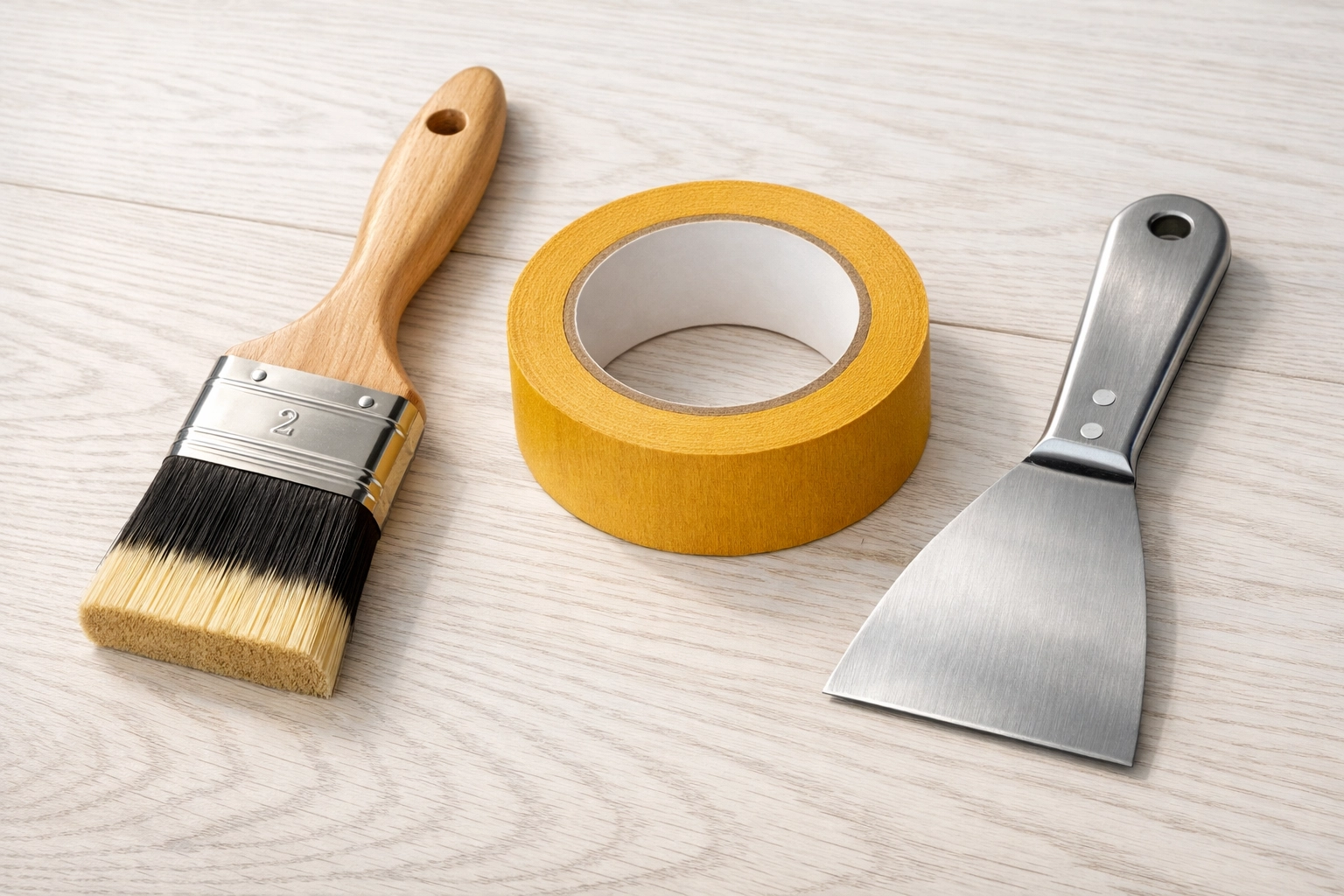
Spend more time with a sander than a brush. Smoothing those edges makes all the difference.
Use a high-quality primer to ensure your topcoat actually sticks.
It might feel like a lot of work, but following your decorating project in 5 easy steps can make the whole process feel much more manageable.
Secret 3: Don’t Ignore the "Fifth Wall"
In Gloucestershire, we are blessed with some of the most beautiful high ceilings in the country. Yet, many homeowners stick to "safe" brilliant white for their ceilings.
Looks like you might be missing a massive opportunity! Experts know that the ceiling: the "fifth wall": is the perfect place to add drama without overwhelming a room. In 2026, we’re seeing a huge trend toward feature ceilings and colour capping.
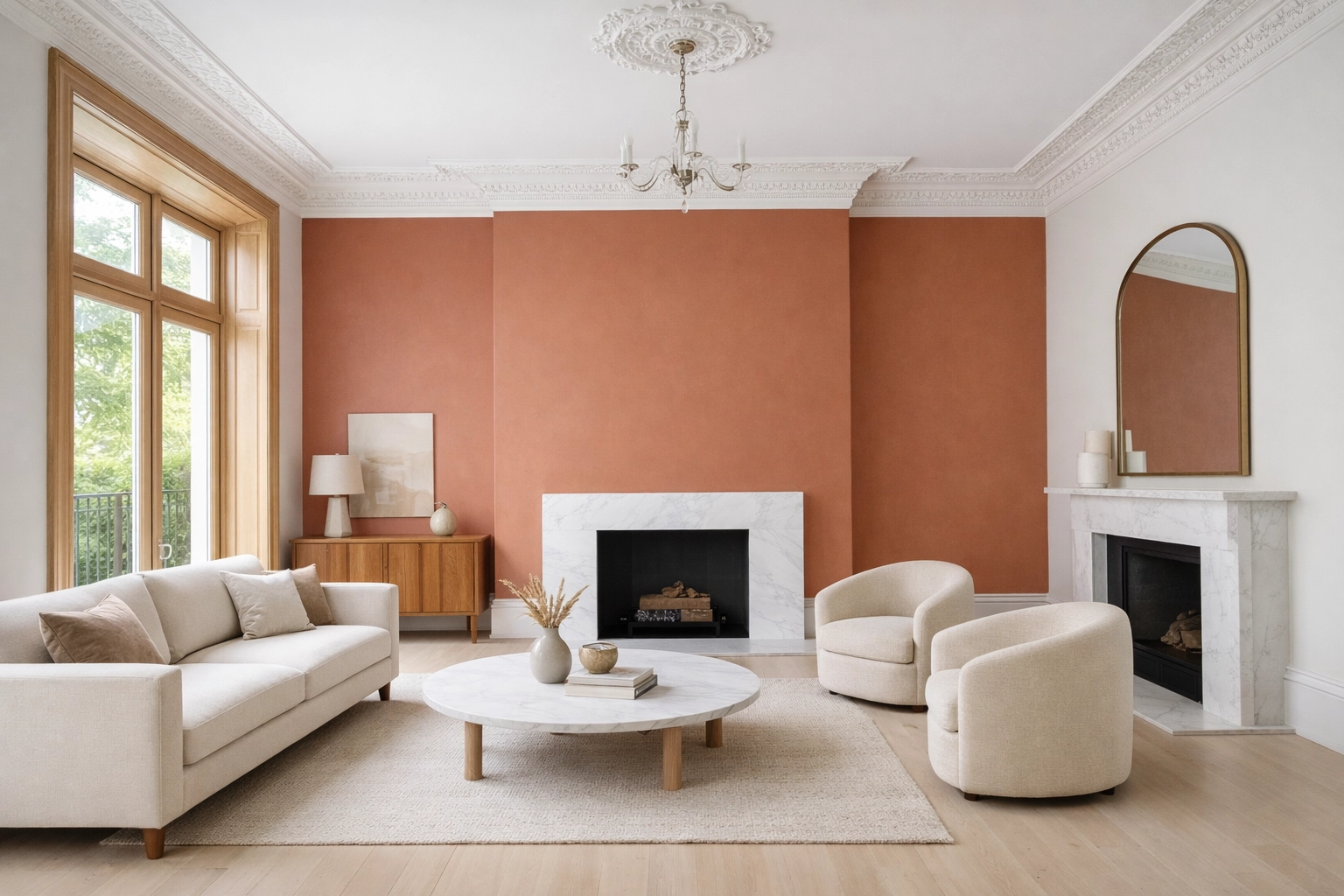
Instead of stopping your wall colour at the coving, why not carry it up onto the ceiling? Or, choose a complementary shade that makes your original cornicing pop. It’s a bold move that makes a Cheltenham living room feel incredibly high-end.
Check out why plain white ceilings are considered a thing of the past by many local homeowners.
Secret 4: Colour Capping and Dark Woodwork
If you want your period home to feel contemporary rather than like a museum, you need to play with traditional boundaries.
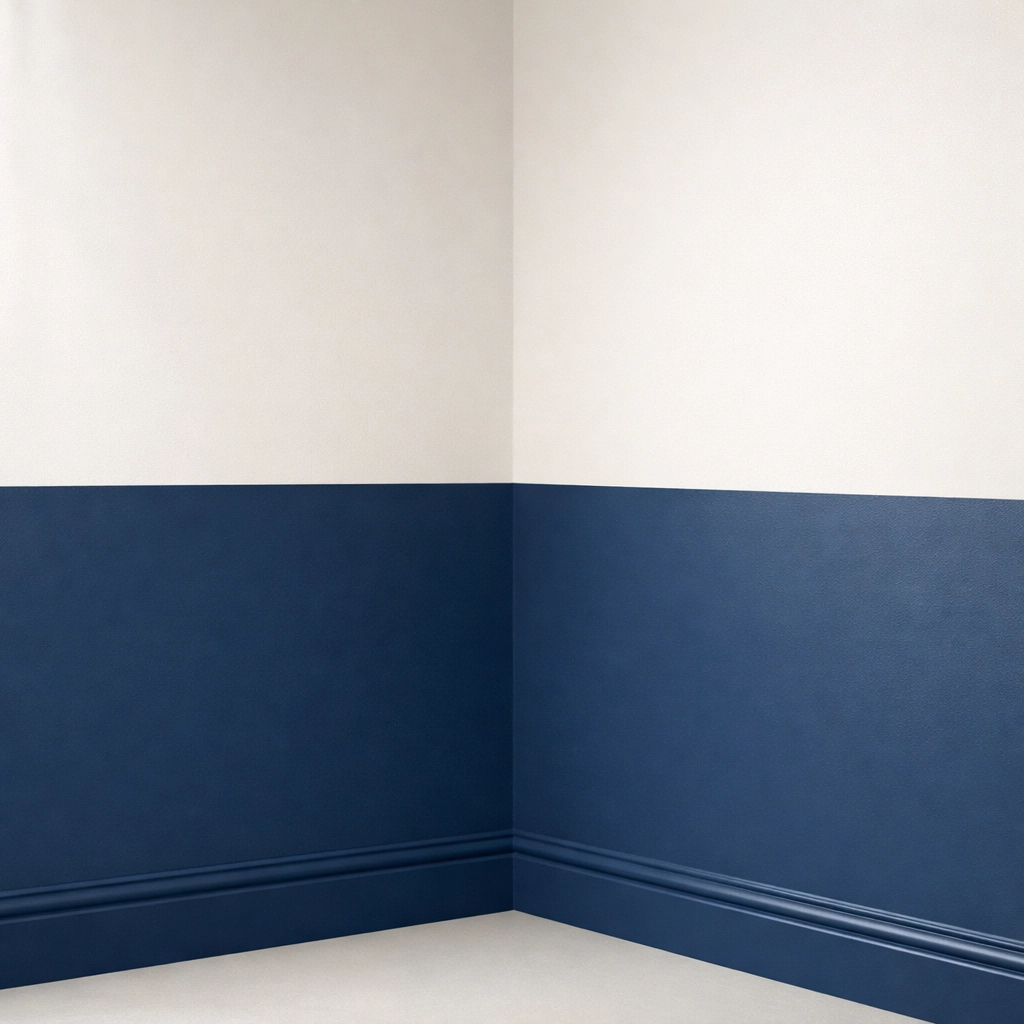
Colour capping is a fantastic technique where you paint the lower half of the wall one colour and the top half (and sometimes the ceiling) another. It’s a modern twist on the traditional dado rail look.
Another secret? Dark woodwork. For years, the rule was "white gloss for skirting and doors." But in 2026, we’re seeing deep navys, charcoal greys, and even earthy greens used on woodwork. It frames the room and makes your wall colours look more sophisticated.
If you’re looking for some visual inspiration, we have 50 stunning examples of two-tone walls from our projects around Cheltenham.
Secret 5: Mixing Eras for a "Lived-In" Look
Experts don't try to make a 19th-century house look exactly like it did in 1850. That can feel cold and uninviting. The real secret to a beautiful period home is the "mix."
Pair those original flagstone floors with modern lighting. Combine your antique fireplace with a bold, contemporary wallpaper. This balance of old and new is what makes Gloucestershire homes so special.
If you're thinking about adding pattern to your walls, it’s worth looking at how to choose the best wallpapering service in Cheltenham to ensure those tricky period corners are handled perfectly.
Why Hiring Local Painters and Decorators in Cheltenham Matters
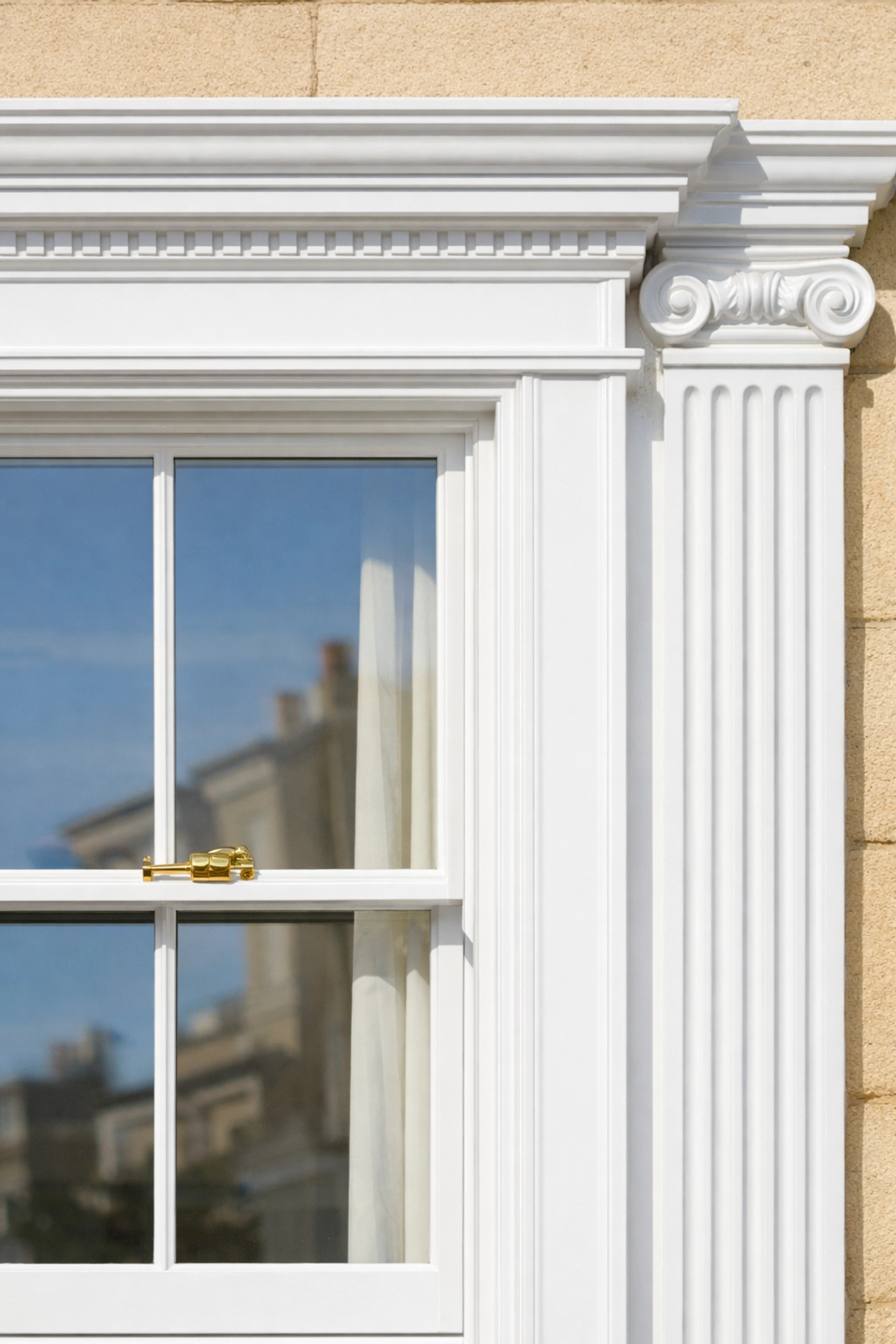
You could hire any decorator, but period homes in Gloucestershire have quirks that "general" painters might miss. From knowing how to handle external lime render to understanding which shades of Cotswold stone-inspired paint work best in our local light, local expertise is invaluable.
If you’re planning an exterior refresh, be careful not to fall into common traps. We’ve put together a guide on 7 mistakes you’re making with external decorating in Gloucestershire to help you avoid the pitfalls.
Locally Relevant FAQs for Gloucestershire Homeowners
Q: Can I use modern emulsion on my old lime plaster walls? A: It’s not recommended. Modern emulsions act like a plastic wrap, which can lead to "blown" plaster or damp. Look for breathable clay paints or mineral-based paints instead.
Q: How do I choose the right "off-white" for a Cheltenham Regency home? A: The light in Cheltenham can be a bit grey on rainy days. Avoid whites with blue undertones as they can feel cold. Look for whites with a hint of ochre or stone to keep things warm and traditional.
Q: How much should I expect to pay for a professional decorator in 2026? A: Costs vary depending on the size of the room and the state of the walls. For a detailed breakdown, check out our ultimate guide to costs and timelines for Gloucestershire.
Q: Is wallpapering difficult in old houses? A: It can be! With wonky walls and high ceilings, getting the pattern to line up is a challenge. That’s why many homeowners in the area prefer to bring in a professional for the more intricate patterns.
Ready to Transform Your Period Home?
Decorating an older property is a journey, but it doesn't have to be a stressful one. By focusing on breathability, taking your time with prep, and embracing modern trends like colour capping, you can create a home that respects the past while looking firmly toward the future.
Whether you're looking for top 10 decorating trends for 2026 or just need a reliable team to take the hard work off your hands, we're here to help.
At Mitten's Decorating, we treat every home like it's our own. We love the history of Gloucestershire just as much as you do, and we’re passionate about bringing these beautiful buildings back to life with a fresh coat of paint and a bit of expert care.
Need more help? If you’re ready to start your project or just want some friendly advice on which colours would suit your space, feel free to get in touch. We'd love to hear about your home and help you reveal its true potential.
Comments