


7 Mistakes You're Making with External Decorating in Gloucestershire (and How to Fix Them)
- Lewis Mitten
- Mar 18
- 6 min read
Meta Description: Avoid common exterior painting blunders with our guide to external decorating in Gloucestershire. From prep tips to local weather advice, Mitten's Decorating helps you get the perfect finish for your Cheltenham home.
Looks like spring has finally arrived here in Gloucestershire! As we move through March 2026, many of us in Cheltenham and the surrounding Cotswolds are looking at our homes and thinking, "That masonry is looking a bit tired," or "Is that paint on the front door actually peeling?"
We get it. Giving your home a facelift is exciting, but external decorating is a completely different beast compared to refreshing your living room. Between our unpredictable British weather and the specific needs of local stone and brickwork, there’s a lot that can go wrong.
At Mitten's Decorating, we’ve seen it all, from "DIY disasters" to "trend-overload." If you're planning on refreshing your kerb appeal this season, we want to make sure you avoid the common pitfalls. Here are the 7 biggest mistakes people make with external decorating in Gloucestershire and, more importantly, how you can fix them in just a few easy steps.
1. Underestimating the Gloucestershire Microclimate
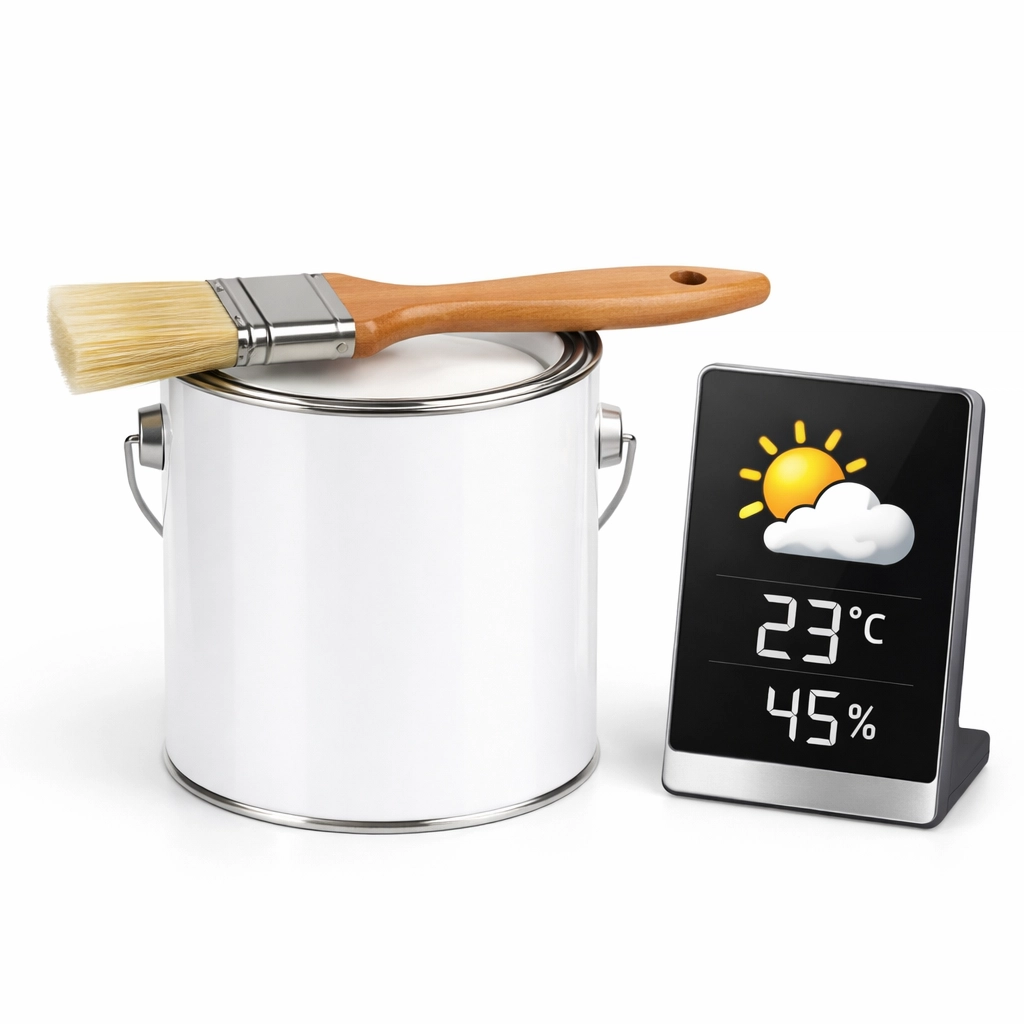
Is this your first time painting outside in the Cotswolds? One of the biggest mistakes we see is homeowners ignoring the local weather. While it might look sunny in the morning, Gloucestershire is famous for its sudden afternoon showers.
If you apply paint and it rains two hours later, you’re looking at a streaky, ruined mess. Even worse, if you paint on a surface that’s still damp from a morning frost, the paint simply won't bond.
How to fix it:
Check a reliable local forecast (not just the national one!) before you start.
Aim for a "Goldilocks" day, not too wet, not too cold, and surprisingly, not too hot. If it's a heatwave, the paint dries too fast and leaves brush marks.
If you're unsure about the timing, check out our guide on house painting in Gloucestershire for the best windows of opportunity.
2. Skipping the "Boring" Prep Work
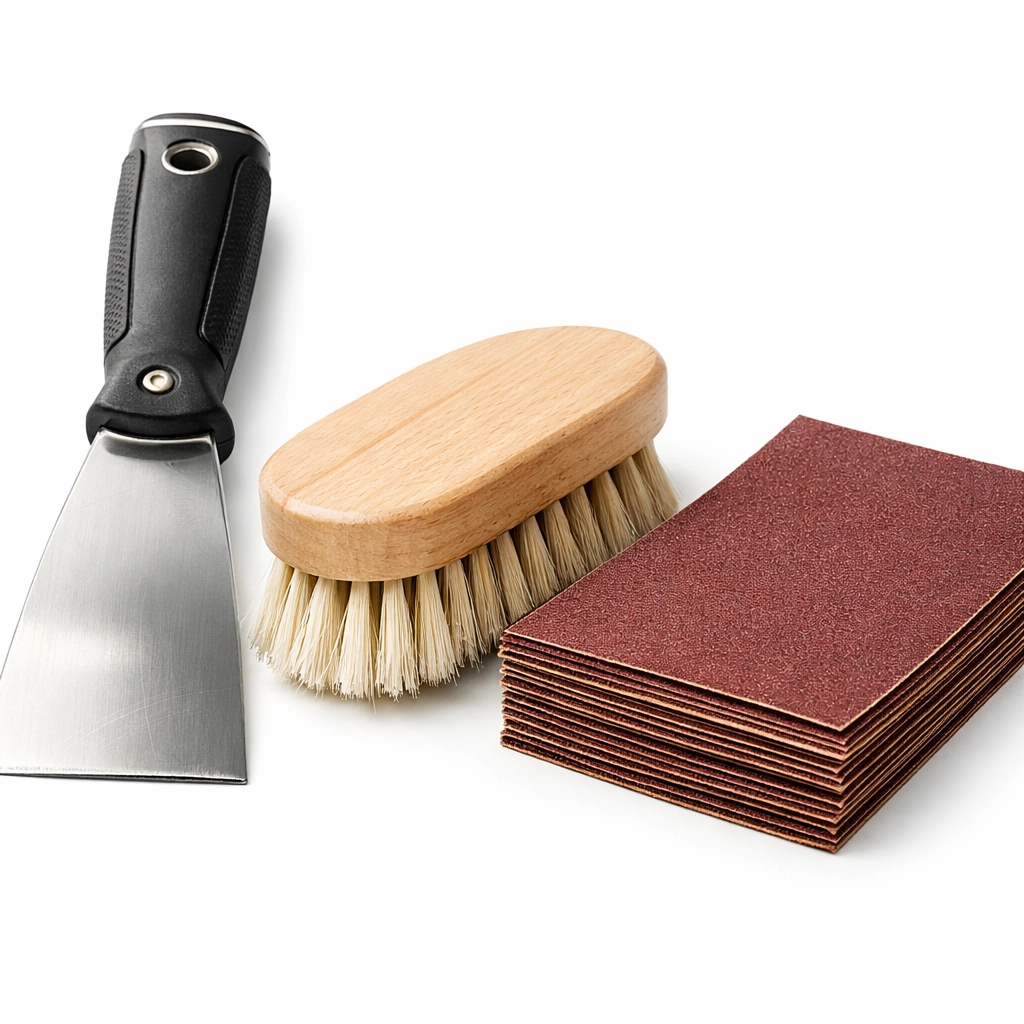
We know, we know. You want to see that beautiful new colour on the walls immediately. But is this your wall covered in dust, cobwebs, and flaky old paint? If you paint over that, your new finish will likely peel off within a year.
In Cheltenham, many of our older properties have layers of old lead paint or lime wash. Applying modern masonry paint directly over these without preparation is a recipe for disaster.
How to fix it:
Wash your walls with soapy water or a dedicated degreaser.
Use a wire brush or scraper to remove any loose or flaking paint.
Fill any cracks in the masonry with a suitable exterior filler.
Treat any organic growth (like that green moss we get so much of here) with a fungicidal wash to stop it growing back through the paint.
3. Using the Wrong Type of Paint for the Surface
Not all paint is created equal. A common mistake is using standard water-based masonry paint on exterior woodwork, or worse, using interior gloss on a front door.
In Gloucestershire, many of our traditional homes feature beautiful exterior wood. This wood needs to breathe. If you use a heavy, non-breathable paint, moisture gets trapped behind the film, causing the wood to rot and the paint to blister.
How to fix it:
For woodwork, look for "microporous" paints. These allow moisture to escape while keeping the rain out.
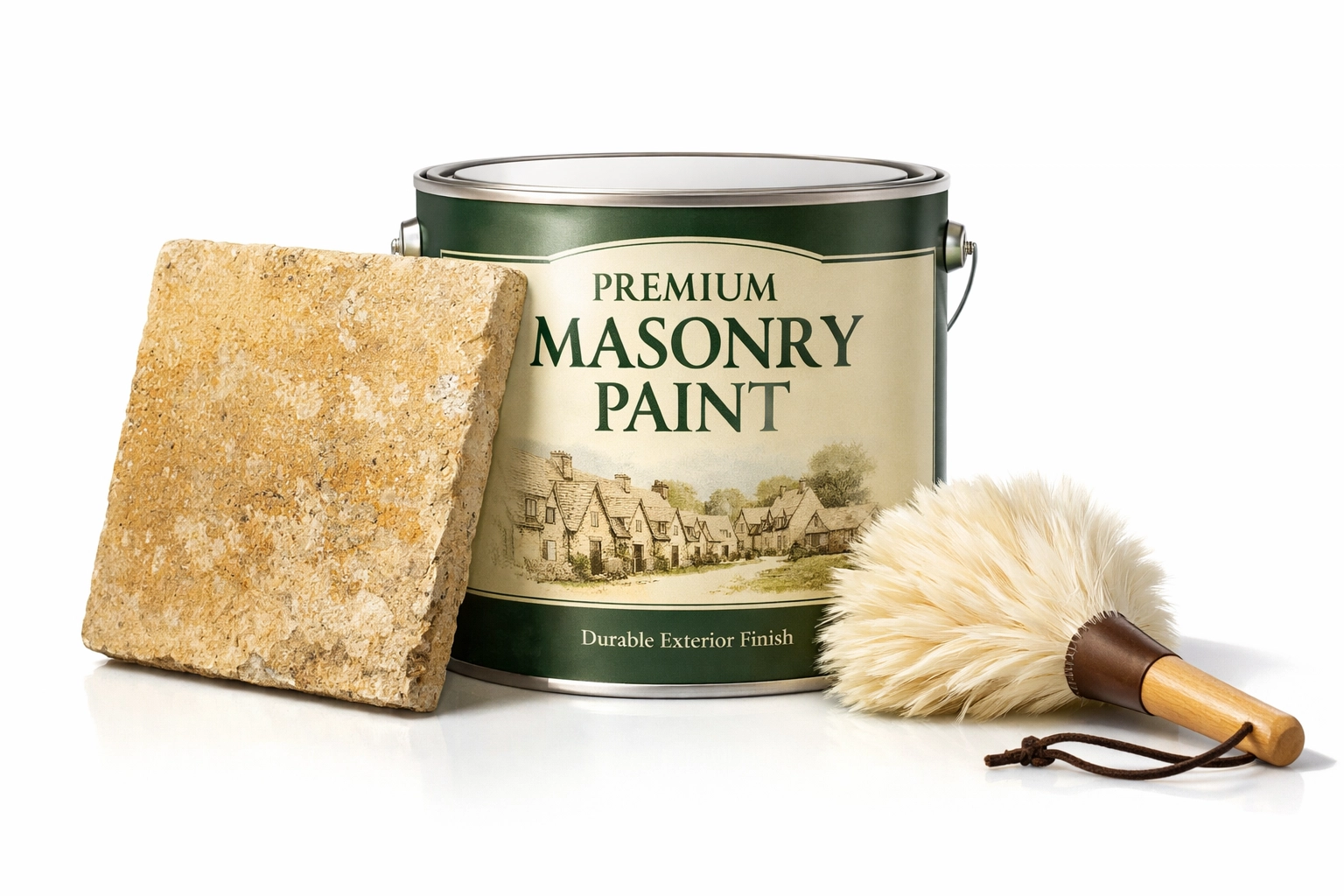
For masonry, ensure you're using a high-quality breathable paint, especially if you live in a period property.
If you're feeling overwhelmed by the choices, we have a simple guide to paint finishes that can help you navigate the aisles.
4. Chasing Trends a Little Too Hard
Is this your house looking like it belongs in a high-end magazine but completely out of place on a Gloucestershire street? We love a bold look, but overusing "trendy" schemes, like painting everything matte black or bright white, can sometimes backfire.
While these look great on Instagram, they can be a nightmare to maintain. Black absorbs heat, which can cause timber doors to warp, and bright white in a rural Gloucestershire setting can show every splash of mud and dirt within weeks.
How to fix it:
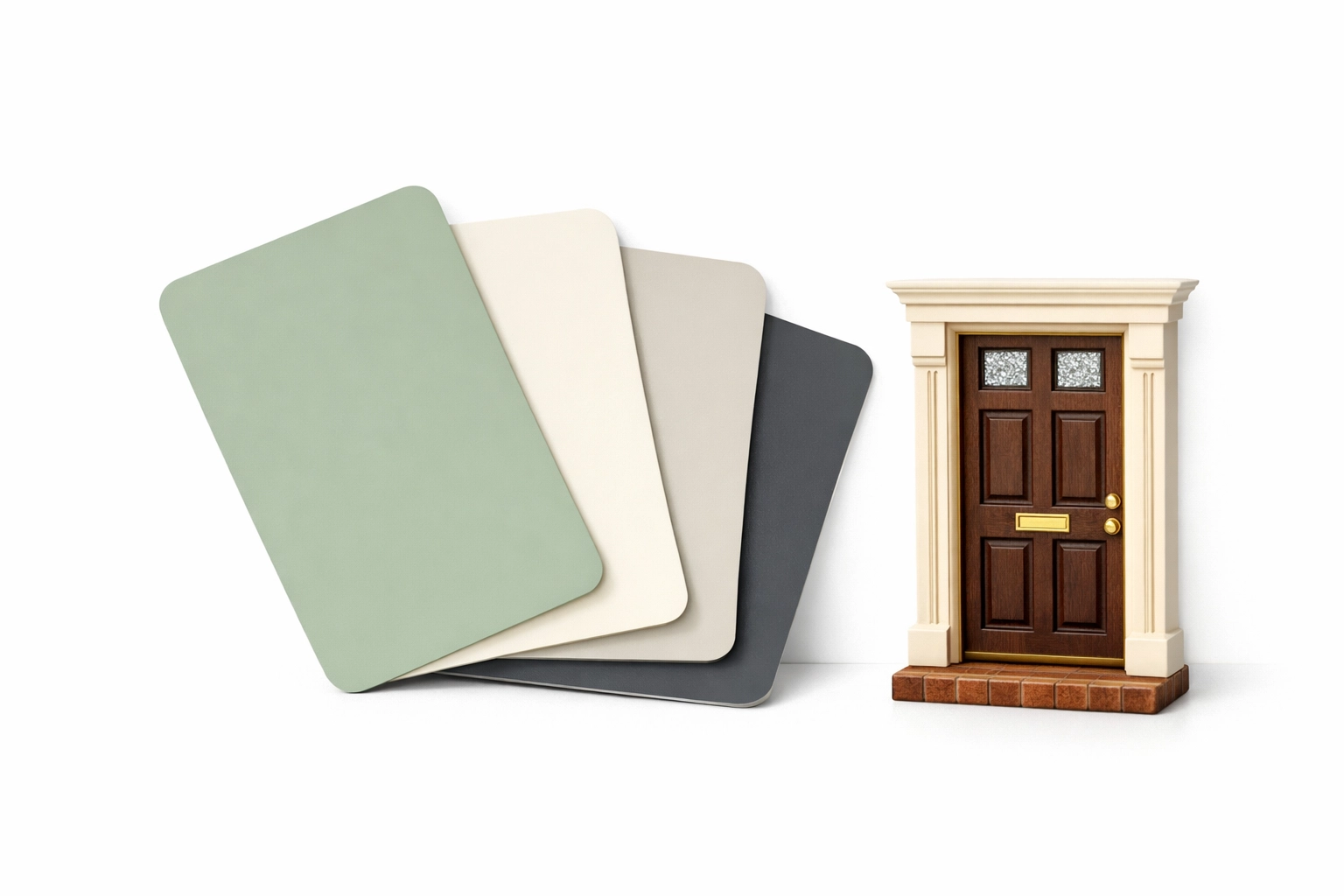
Consider "colour capping" or using a feature colour on just the front door or window frames rather than the whole house.
Look at the surrounding properties. You don't have to match them, but your home should feel like part of the neighbourhood.
For more inspiration on how to balance modern and traditional, see our post on integrating modern trends with Gloucestershire properties.
5. Forgetting the "Fifth Wall" and the Details
When people think of external decorating, they usually think of the big walls. But what about your downpipes, gutters, and windowsills? Neglecting these "small" details is a huge mistake. Rusty gutters or peeling windowsills can make even the most professional wall-painting job look unfinished.
How to fix it:
Paint your downpipes the same colour as your masonry to make them "disappear," or choose a contrasting colour for a classic look.
Don't forget the soffits and fascias (the boards under your roofline).
Treat your windowsills with extra care; they take the brunt of the weather and usually need a high-quality primer before the topcoat.
6. Trying to Reach Too High Without the Right Gear
We see it every year: a brave homeowner on top of a wobbly ladder trying to reach that last bit of the gable end. Is this your safety you're risking just to save a few pounds? Professional painters and decorators in Cheltenham use proper scaffolding or cherry pickers for a reason.
Beyond the safety risk, if you can’t reach an area comfortably, you won’t prep it properly or apply the paint evenly.
How to fix it:
Know your limits. If you can't reach it safely with a standard, secured ladder, it’s time to call in the pros.
Hiring a professional might seem more expensive upfront, but when you factor in the cost of equipment hire and the time it takes, it’s often the best investment for your property.
7. Painting in the Wrong Season
"It's sunny in December, let's paint the porch!" Unfortunately, it doesn't work like that. Even if the sun is out, the thermal mass of the walls is often too cold in winter for the paint to cure properly. Conversely, painting in the baking heat of July can cause the paint to dry before it has a chance to level out.
How to fix it:
The "sweet spot" for external decorating in Gloucestershire is usually between late March and October.
Start with the sides of the house that are in the shade to avoid direct, blistering sunlight on wet paint.
Check out our top 10 fresh decorating ideas for spring to get your project moving at the right time.
Gloucestershire External Decorating FAQ
Q: Do I need planning permission to change the colour of my house in Cheltenham? A: Generally, no, but if you live in a Grade I or II listed building or a designated Conservation Area (which we have plenty of in Cheltenham!), you should check with the local council first.
Q: How long should an exterior paint job last? A: In our local climate, a high-quality professional job should last 5–10 years. If it’s peeling after two, one of the mistakes above probably happened!
Q: Can I paint my Cotswold stone walls? A: We generally advise against painting natural Cotswold stone as it needs to breathe and its natural beauty is part of the area's charm. However, if it has already been painted in the past, we can help you refresh it with the correct breathable products.

Ready to Transform Your Home?
External decorating doesn't have to be a headache. By avoiding these common mistakes and following a few simple steps, you can give your Gloucestershire home the protection and beauty it deserves.
If you're looking for professional help, Mitten's Decorating is here for you. We know the local area, we know the weather, and we know exactly how to treat your property with the respect it needs. Whether you're in the heart of Cheltenham or out in the rural villages, we’re happy to help.
Need more help? If you're still unsure where to start, why not check out our 10 things you should know before hiring a decorator? Or, if you're ready to get a quote, get in touch with Lewis and the team today!
Comments