


10 Reasons Your Small Cheltenham Room Feels Dark (And How to Fix It With Colour Capping)
Is this your living room? You’ve spent ages picking out the perfect furniture, but no matter what you do, the space feels a bit… gloomy? We see it all the time across Cheltenham. Whether you’re living in a gorgeous Regency terrace in Montpellier or a cosy cottage in The Cotswolds, small rooms and light issues often go hand-in-hand.
I’m Lewis Mitten, and at Mitten’s Decorating, we’ve helped hundreds of homeowners turn "cave-like" spare rooms into bright, airy spaces. Sometimes, the fix isn't just "paint it brilliant white." In fact, there’s a clever technique called colour capping that can completely change the game.
But before we get into the fix, let's look at why your room feels so dark in the first place.
10 Reasons Your Small Cheltenham Room Feels Dark
1. The North-Facing Nuisance
In Cheltenham, many of our period properties face north. If your window is pointing north, you’re getting a cool, bluish light all day. This makes standard greys look chilly and whites look dingy. It’s not your fault; it’s just the way the sun moves!
2. The "Cotswold Greenery" Blockade
We love our leafy streets in Charlton Kings and Leckhampton, but those big, beautiful trees or high garden hedges can act like giant umbrellas, blocking the precious Gloucestershire sun from reaching your glass.
3. Heavy Window Dressings
Is this your window? Covered by thick, velvet drapes that take up half the glass even when they’re "open"? Heavy curtains can swallow light. If the fabric overlaps the window pane, you're losing several square inches of natural illumination.
4. The "Grey Trap"
A few years ago, everyone wanted "Cool Grey." But in a small room with limited light, cool grey often turns into "Battleship Grey." It absorbs light rather than reflecting it, making the walls feel like they’re closing in.
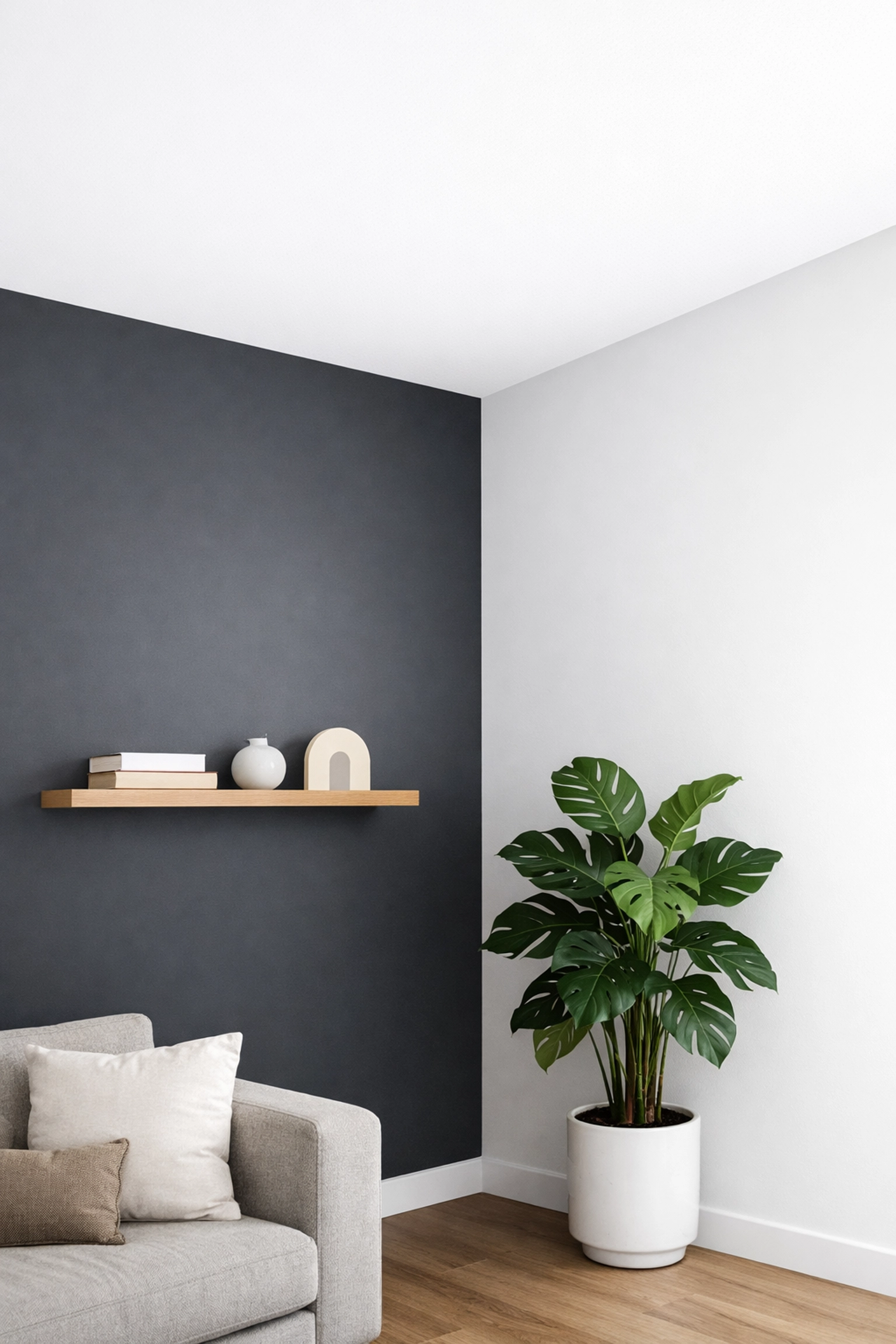
5. High Contrast Breaks
If you have dark walls and a brilliant white ceiling, the sharp line where they meet actually draws the eye to the corner. This highlights exactly how small the room is and creates a "lid" effect that makes the space feel shorter and darker.
6. Overcrowded Floor Space
Looks like there’s a bit too much furniture in there? When your floor is covered with dark rugs or bulky sofas, light has nowhere to "bounce." Light needs flat, clear surfaces to move around the room.
7. The Wrong Lightbulbs
Are you using "cool white" bulbs in a room that’s already dark? This can make the space feel clinical and shadows look harsher. Conversely, bulbs that are too dim just leave corners in total darkness.
8. Dirty Windows (The Cheltenham Dust!)
It sounds simple, but you’d be surprised. Between the pollen from the surrounding hills and the general road dust, a thin film can build up on your windows. It acts like a permanent filter, dulling the light before it even enters your home.
9. Absorbing Floor Finishes
Dark oak floors or deep navy carpets might look luxurious, but they are light-sponges. In a small room, you want the floor to help distribute light, not soak it all up.
10. Lack of Reflective Surfaces
If every surface in your room is matte, from the walls to the upholstery, the light just stops when it hits them. Without a bit of "sheen" or a well-placed mirror, the light can’t travel into the darker corners.
The Secret Fix: What is Colour Capping?
If you’ve been searching for painters and decorators in Cheltenham, you might have heard designers whispering about "colour capping."
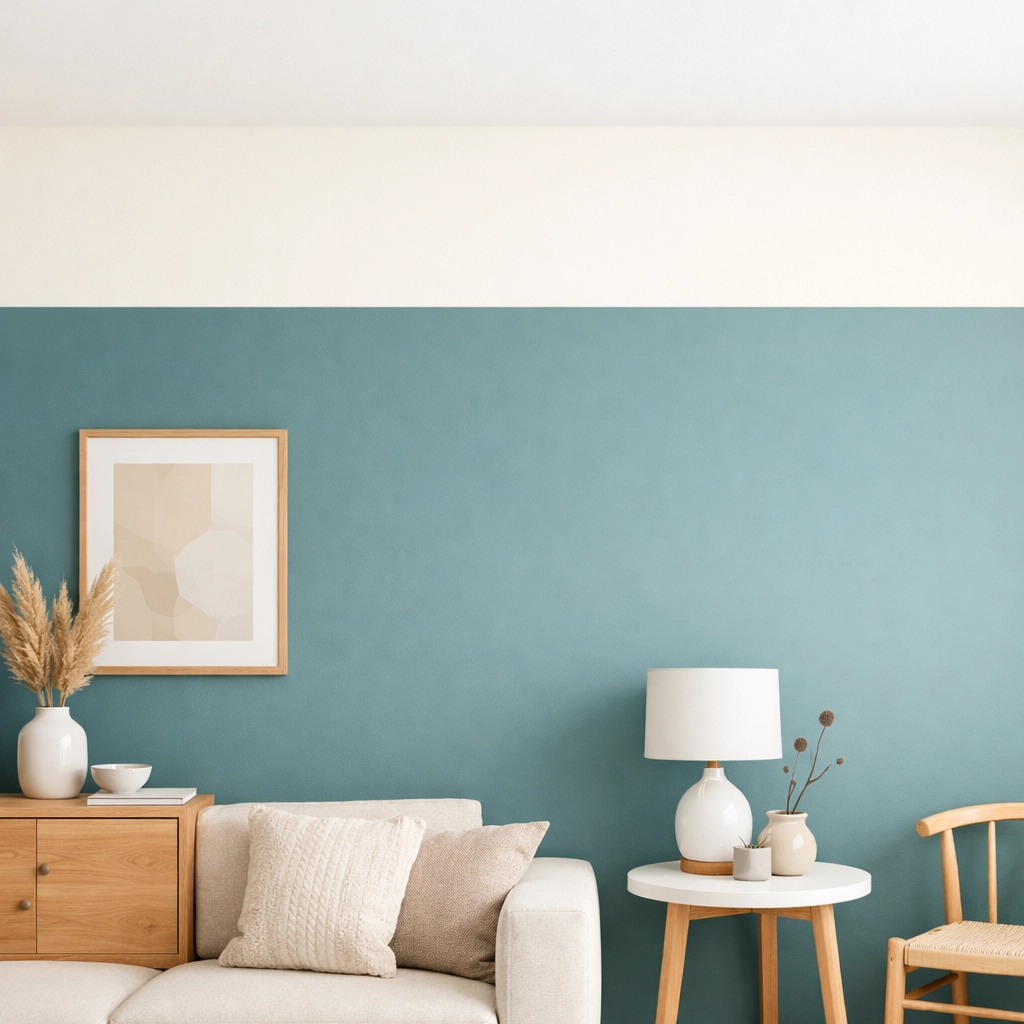
Colour capping is a decorating technique where you don’t stop the wall colour at the ceiling line. Instead, you bring the ceiling colour down onto the top of the walls, usually by about 10cm to 30cm. Alternatively, you can take the wall colour up and across the ceiling (though for dark rooms, we usually recommend the former).
By "capping" the top of the walls with the same light shade as the ceiling, you blur the boundary of where the wall ends. It tricks the eye into thinking the ceiling is higher and the walls are further away.
Why Colour Capping Works for Small Rooms
Seamless Transitions: It removes that harsh "stop" line we mentioned in Reason #5.
Increased Reflection: By bringing the light ceiling colour down onto the walls, you’re placing a highly reflective surface exactly where the most light hits (the top of the room).
Architectural Interest: It adds a bespoke, designer feel to standard rooms in Bishops Cleeve or Prestbury without the cost of installing expensive coving.
How to Fix Your Dark Room in 5 Easy Steps
Ready to brighten things up? Here is how we usually approach it at Mitten’s Decorating.
Clear the Glass: Switch heavy curtains for light linen blends or Roman blinds that sit above the window frame when open.
Choose "Warm" Reflective Colours: Instead of stark white, go for a "warm" off-white for your colour cap. It will keep the room feeling cosy rather than cold.
Map Your Cap: Decide how far down the wall you want the ceiling colour to go. If you have high ceilings, you can be bolder. For lower ceilings, a 10cm "cap" works wonders.
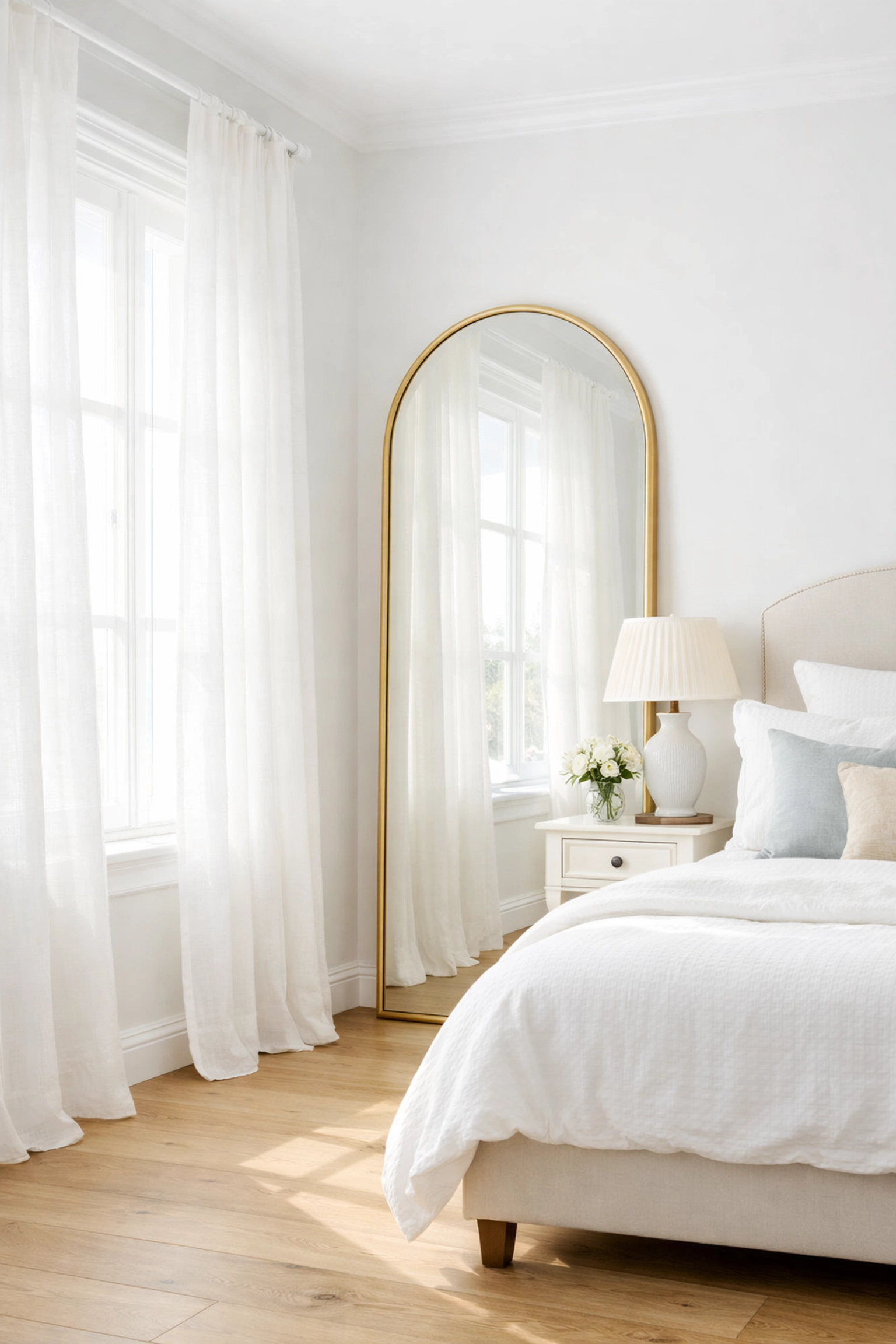
Mirror Magic: Place a mirror directly opposite your window. This is the oldest trick in the book because it literally doubles the amount of light in the room.
Professional Paint Job: Achieving a perfectly straight line for colour capping requires a very steady hand and the right tape. If you're not confident, we can handle the interior decorating for you.
Local Spotlight: Cheltenham Homes
We see a lot of these issues in the Victorian terraces around Leckhampton. These houses are beautiful, but they often have long, narrow "middle" rooms that don't get much direct sunlight.
In these cases, we often suggest wallpapering one focal wall with a slight metallic sheen and using colour capping on the other three walls. The result? A room that feels intentionally moody and sophisticated rather than just "dark."
Frequently Asked Questions
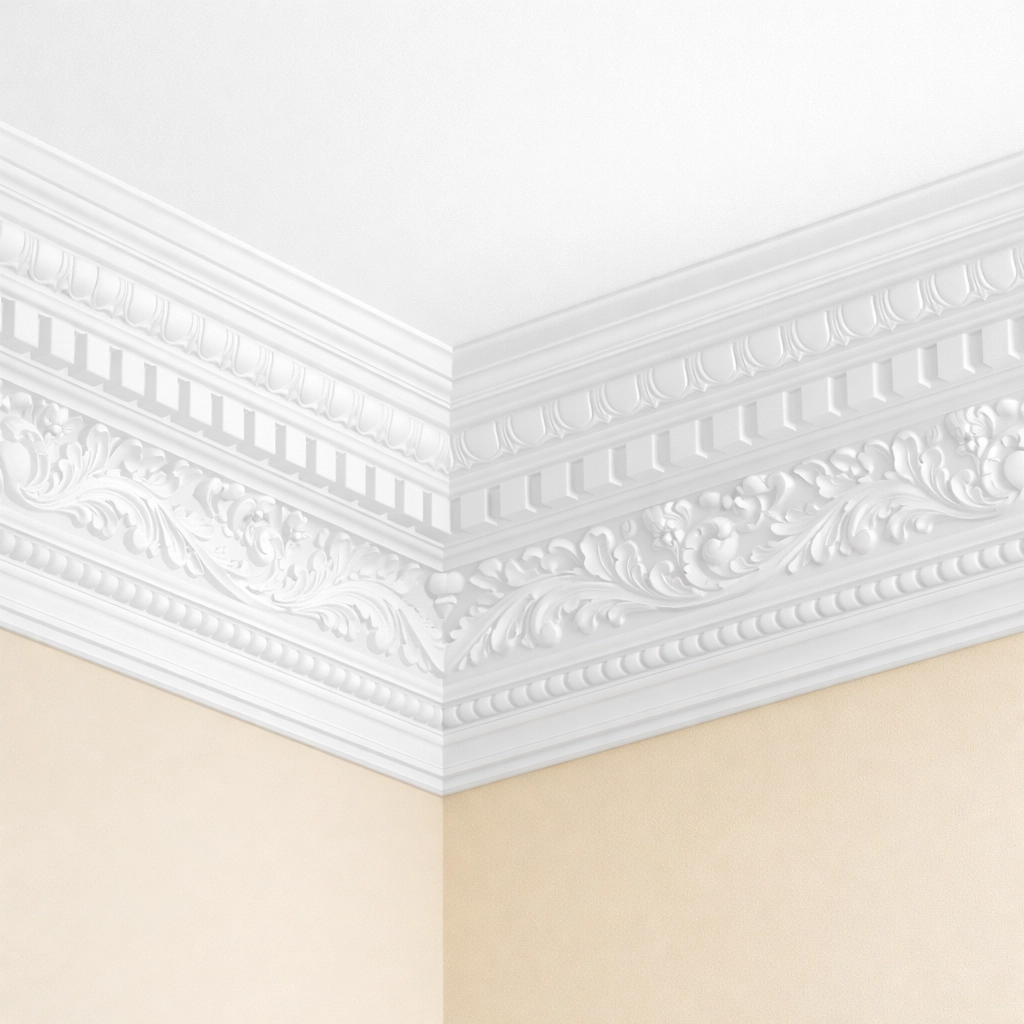
Does colour capping work if I already have coving? Absolutely! In fact, painting the coving the same colour as the "cap" and the ceiling makes the architectural detail look even more impressive. It creates a massive, unified block of light at the top of the room.
What is the best colour for a dark, small room? Surprisingly, it’s not always white. In very dark rooms, white can look grey. We often recommend soft terracottas, warm beiges, or even a light "sage" green. These colours have enough pigment to hold their own in the shadows while still reflecting light.
Can I do colour capping myself? You can! You'll need some high-quality "low tack" painter's tape and a laser level if you want it to be perfect. However, if you want that crisp, sharp finish that makes the room look like a magazine spread, hiring painters and decorators in Cheltenham is usually the way to go.
Will colour capping make my ceiling look lower? If you use a dark colour for the cap, yes. But if you use a light colour (like the ceiling) and bring it down onto darker walls, it actually makes the ceiling feel like it's floating higher.
Need a Hand Brightening Your Home?
Is this your project for 2026? If you’re tired of walking into a gloomy room and want to see how colour capping or a fresh palette could transform your space, we’re here to help.
At Mitten’s Decorating, we don't just slap paint on walls: we help you choose the right finishes to make your home work for you. Whether you’re in the heart of town or the outskirts of the Cotswolds, we’d love to chat about your next project.
Need more help? Feel free to contact us today for a friendly chat and a free quote. Let’s bring some light back into your Cheltenham home!
Check out more tips and tricks on the MittBlog or see why we’re the top choice for interior decorating in Cheltenham.
Comments